Climbing Insurance for Mera Peak Climbing
Travel insurance is a mandatory and essential part of preparing for the Mera Peak Climbing expedition. Standing at 6,476 meters (21,247 feet), Mera Peak is Nepal's highest trekking peak and takes climbers into remote Himalayan regions where weather conditions can change rapidly and medical facilities are extremely limited. In the event of an accident, injury, or severe altitude sickness, helicopter evacuation may be the fastest and safest way to receive medical care.
For this reason, Nepal Voyage Treks Pvt. Ltd. strongly recommends that every climber purchase comprehensive travel insurance before arriving in Nepal. Having the right insurance protects you against unexpected expenses and allows you to focus on enjoying your adventure with greater confidence.
Why Do You Need Travel Insurance for Mera Peak Climbing?
Although Mera Peak is considered a non-technical trekking peak, climbing above 6,000 meters presents serious challenges. Climbers are exposed to high altitude, cold temperatures, snow-covered terrain, and changing weather conditions. Even experienced mountaineers can experience altitude-related illnesses or require emergency assistance.
A suitable travel insurance policy helps ensure that you receive prompt medical treatment and financial protection if unexpected situations arise during your expedition.
With proper insurance, you can benefit from:
- Emergency helicopter evacuation from remote mountain areas.
- Medical treatment and hospitalization for illness or injuries.
- Coverage for altitude-related emergencies, including Acute Mountain Sickness (AMS).
- Protection against trip cancellation, interruption, or travel delays.
- Compensation for lost, delayed, or damaged baggage and climbing equipment (depending on the policy).
- Greater peace of mind throughout your expedition.
What Should Your Insurance Cover?
Before purchasing your insurance policy, carefully review the terms and conditions to ensure it provides adequate protection for high-altitude peak climbing.
1. High-Altitude Peak Climbing Coverage
Your insurance policy must specifically cover trekking peak climbing up to at least 6,500 meters, as Mera Peak reaches 6,476 meters. Some insurance providers exclude mountaineering or activities above certain elevations, so always verify that Mera Peak climbing is included in your coverage.
2. Emergency Helicopter Evacuation
Helicopter evacuation is often the only practical rescue option in the Everest region. Your insurance should clearly include emergency helicopter rescue and medical evacuation from high-altitude locations.
A policy with a minimum coverage of USD 100,000 for medical expenses and emergency evacuation is strongly recommended.
3. Medical Expenses
Ensure your insurance covers:
- Emergency medical treatment
- Hospitalization
- Doctor consultations
- Prescription medications
- Treatment for altitude-related illnesses
- Emergency transportation
4. Trip Cancellation and Trip Interruption
Unexpected events such as severe weather, illness, natural disasters, or family emergencies may require changes to your travel plans. A comprehensive policy should reimburse eligible non-refundable expenses if your trip is cancelled or interrupted.
5. Baggage and Climbing Equipment
Many climbers carry valuable trekking and climbing gear. Choosing a policy that covers lost, stolen, or delayed luggage and equipment can help reduce unexpected financial losses.
6. Personal Liability
Personal liability coverage provides protection if you accidentally cause injury to another person or damage someone else's property during your journey.
Recommended Travel Insurance Providers
Several international insurance companies offer policies suitable for high-altitude trekking and mountaineering. Popular options include:
- World Nomads
- Allianz Travel Insurance
- Global Rescue
- True Traveller (for eligible European residents)
- AXA Assistance
Insurance coverage varies between providers and countries. Always confirm that your policy specifically covers Mera Peak Climbing, emergency helicopter evacuation, and activities above 6,000 meters before purchasing.
Important Documents to Carry
Before starting your expedition, keep the following documents easily accessible:
- Printed copy of your travel insurance policy.
- Digital copy stored on your mobile phone or email.
- Insurance policy number.
- Emergency contact numbers for your insurance provider.
- Copies of your passport and other travel documents.
It is also recommended to provide a copy of your insurance details to your guide or the Nepal Voyage Treks Pvt. Ltd. office before the climb begins. This allows emergency procedures to be carried out quickly if assistance is ever required.
Tips for Climbing Sherpas, Guides, Porters, and Support Staff
A Mera Peak Climbing adventure is one of Nepal's most popular high-altitude climbing experiences. Standing at 6,476 meters (21,247 feet), Mera Peak is the highest trekking peak in Nepal and offers spectacular views of Mount Everest, Lhotse, Makalu, Cho Oyu, and Kanchenjunga. Although it is considered a non-technical trekking peak, reaching the summit requires excellent physical fitness, proper acclimatization, and the support of an experienced climbing team.
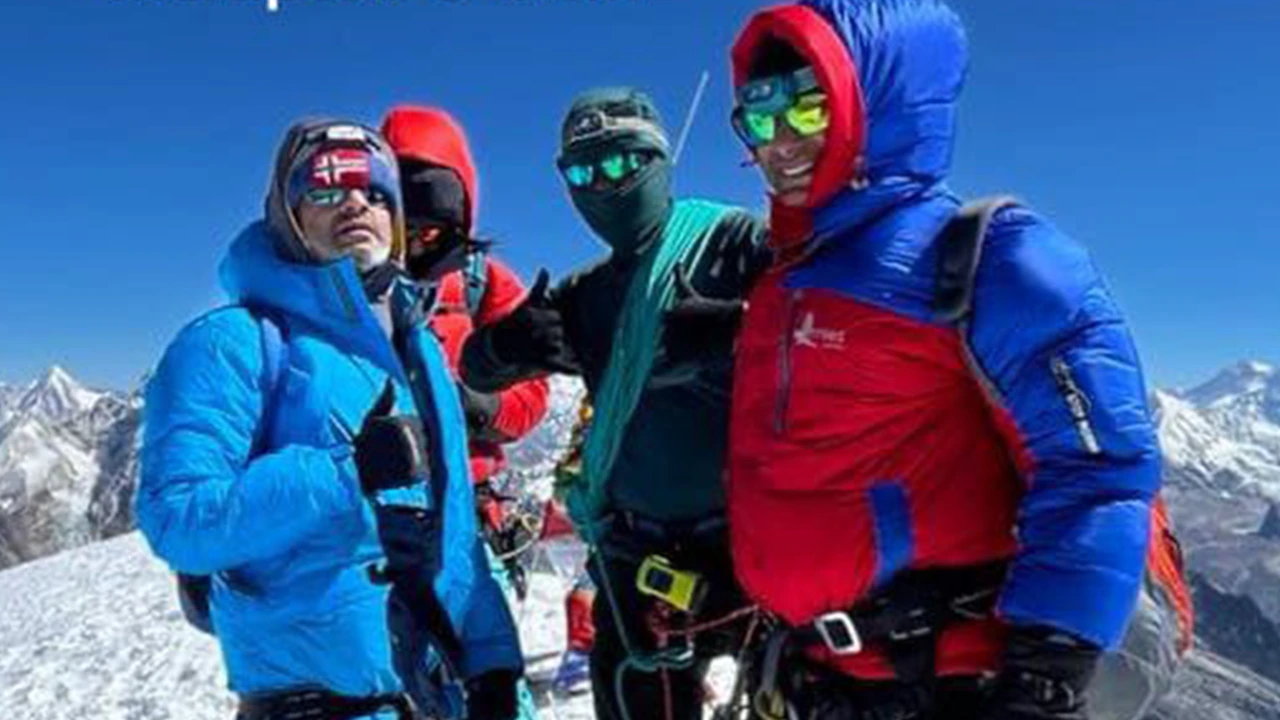
Throughout your journey, climbing Sherpas, trekking guides, porters, cooks, and support staff work hard to ensure your safety and comfort. They carry equipment, manage logistics, prepare meals, establish high camps, assist with climbing techniques, and provide encouragement every step of the way.
Tipping is a long-standing tradition in Nepal's trekking and mountaineering industry. While it is not mandatory, it is a meaningful way to express your appreciation for the dedication, professionalism, and hard work of the people who help make your Mera Peak climb a memorable success.
1. Guide, Climbing Sherpa, Porter, and Support Staff Wages
Professional climbing Sherpas, trekking guides, and porters receive wages based on their experience, qualifications, responsibilities, and the duration of the climbing trip. Reputable companies such as Nepal Voyage Treks Pvt. Ltd. ensure that their staff receive fair wages, proper insurance, accommodation, meals, and the necessary equipment required for the expedition.
During your Mera Peak Climbing adventure, your support team is responsible for:
- Guiding you safely along the trekking and climbing route.
- Monitoring your health and acclimatization.
- Providing climbing instruction and equipment checks.
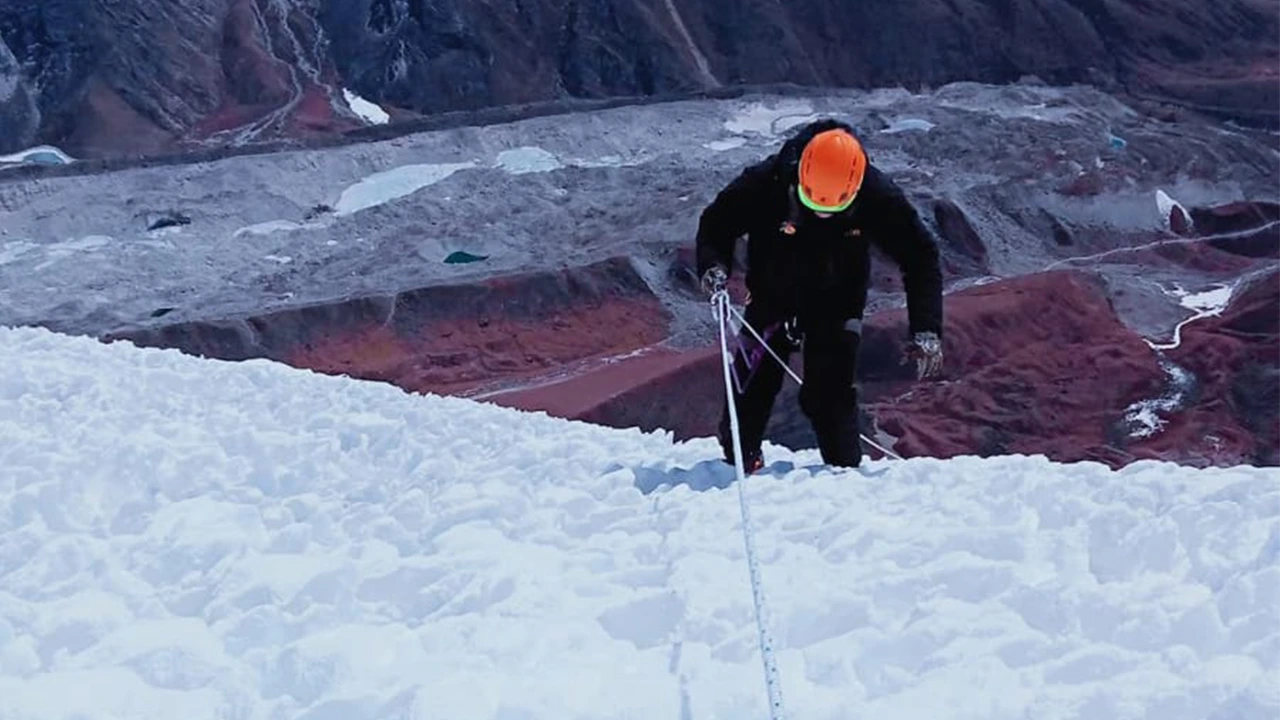
- Fixing safety ropes where required.
- Carrying climbing equipment and personal luggage.
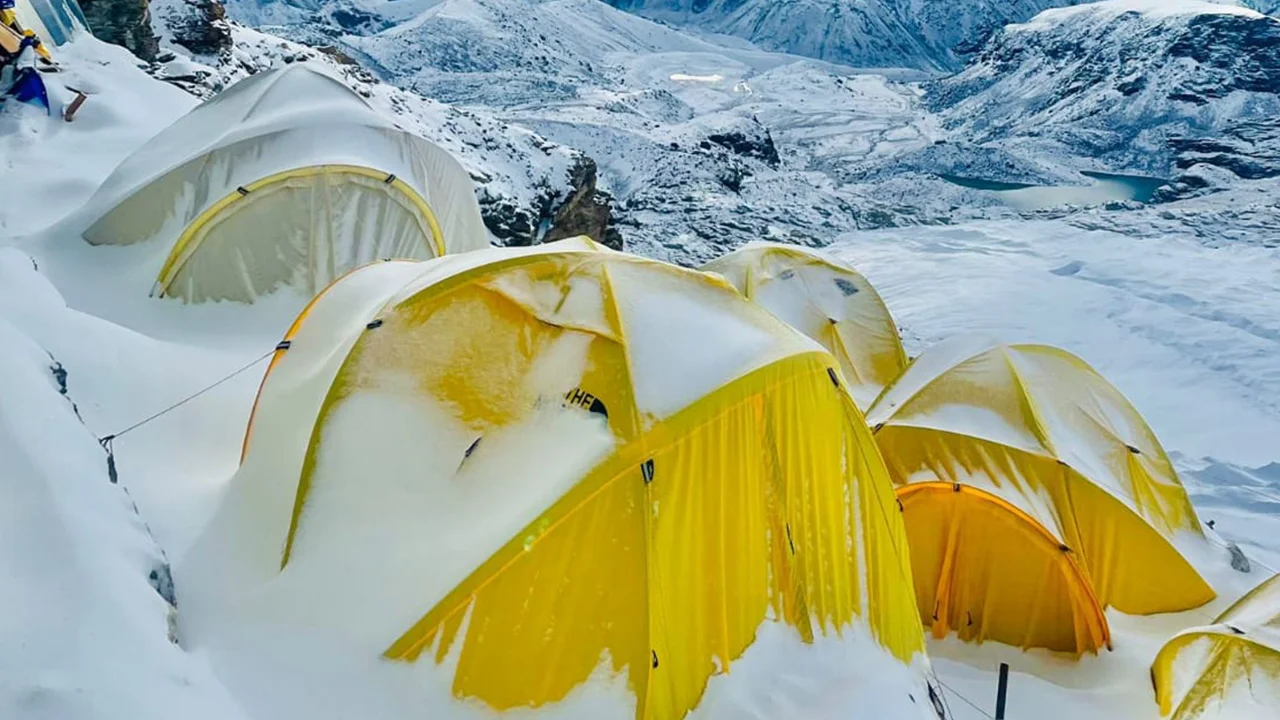
- Preparing meals and organizing camps.
- Assisting during emergencies, including rescue coordination if necessary.
Although their wages are paid by the company, tipping remains an important way to recognize exceptional service.
2. How Much Should You Tip?
Tipping is entirely voluntary and should reflect the quality of service you receive throughout your climb.
Recommended Tipping Guidelines
| Expedition Staff |
Recommended Tip |
| Climbing Sherpa |
USD 150–300 per climber |
| Trekking Guide |
USD 100–200 per climber |
| Porter |
USD 50–100 per climber |
| Kitchen Staff |
USD 40–80 per climber |
| Assistant Guide |
USD 60–120 per climber (if applicable) |
The amount you choose to tip may depend on:
- The length of the climbing trip.
- The quality of service provided.
- The size of your group.
- The level of personal support you received.
- Whether your climbing Sherpa accompanied you to the summit.
- Your overall climbing experience.
Many climbers choose to give a higher tip to their climbing Sherpa because of the additional responsibilities involved in ensuring a safe summit attempt.
3. Group Tipping
If you are climbing as part of a group, it is common to collect everyone's contributions and present the tips together at the end of the expedition.
Group tipping is a practical and respectful way to thank the entire support team while ensuring every member receives fair recognition for their contribution.
Most climbers present tips during the farewell dinner in Kathmandu or after returning from the mountain.
4. Respecting Your Climbing Team
A successful Mera Peak climb depends on teamwork, communication, and mutual respect. Your climbing Sherpa and guide possess valuable experience in high-altitude mountaineering and understand the mountain's conditions better than anyone else.
Respect Your Climbing Sherpa and Guide
Your climbing Sherpa is responsible for your safety throughout the ascent and has extensive experience with mountain conditions, rope techniques, and altitude management.
Always:
- Listen carefully to safety briefings.
- Follow your guide's instructions.
- Respect decisions regarding weather and climbing conditions.
- Inform your guide immediately if you feel unwell or develop symptoms of altitude sickness.
Their decisions are made to protect your safety and maximize your chances of a successful climb.
Respect Your Porter
Porters work incredibly hard to carry climbing equipment and personal luggage through challenging mountain trails.
Please remember:
- Keep your duffel bag within the recommended weight limit provided by your trekking company.
- Avoid carrying unnecessary items.
- Treat your porter with kindness and respect throughout the journey.
Responsible trekking and climbing help create a safer and more enjoyable experience for everyone.
5. Safety Comes Before the Summit
Reaching the summit of Mera Peak is an unforgettable achievement, but returning safely is always the highest priority.
If your climbing guide or Sherpa advises postponing or cancelling a summit attempt because of:
- Severe weather.
- Heavy snowfall.
- Strong winds.
- Avalanche danger.
- Altitude sickness.
- Unsafe climbing conditions.
Always respect their decision. Turning back is a responsible choice and helps protect your safety while preserving the opportunity for future climbs.
6. When and How to Tip
The best time to present tips is after the climb has been completed, usually during the farewell dinner in Kathmandu or after returning from the trekking route.
For a respectful presentation:
- Place your tip inside an envelope.
- Hand it directly to the individual.
- Personally thank them for their dedication and support.
- A simple "Dhanyabad" (Thank you) is always appreciated.
Your sincere appreciation often means just as much as the financial reward.
7. Other Ways to Show Appreciation
Besides tipping, there are several meaningful ways to thank your climbing team.
You can:
- Personally thank your climbing Sherpa and guide after the expedition.
- Share expedition photographs with your guides and porters.
- Leave positive reviews on Google or TripAdvisor mentioning staff members by name.
- Recommend Nepal Voyage Treks Pvt. Ltd. to fellow climbers.
- Stay connected with your climbing team after returning home.
These gestures help recognize the dedication and professionalism of Nepal's mountain guides and support staff.
8. Quick Summary
| Aspect |
Recommendation |
| Climbing Sherpa Tip |
USD 150–300 per climber |
| Trekking Guide Tip |
USD 100–200 per climber |
| Porter Tip |
USD 50–100 per climber |
| Kitchen Staff Tip |
USD 40–80 per climber |
| When to Tip |
At the end of the climbing trip |
| How to Tip |
Present personally in an envelope with a sincere thank you |
| Best Practice |
Respect your climbing team, follow safety advice, and tip according to the quality of service |
Final Note
Climbing Mera Peak is an incredible achievement, but it is never accomplished alone. Your climbing Sherpas, guides, porters, cooks, and support staff dedicate many days to making your adventure safe, enjoyable, and successful. Their experience, encouragement, and commitment play a vital role in helping you reach the summit and return safely.
By offering fair tips, showing kindness, and expressing genuine appreciation, you support Nepal's mountaineering community and recognize the hardworking professionals who make unforgettable Himalayan adventures possible.